Graphics & Vision
Physically Based Renderer
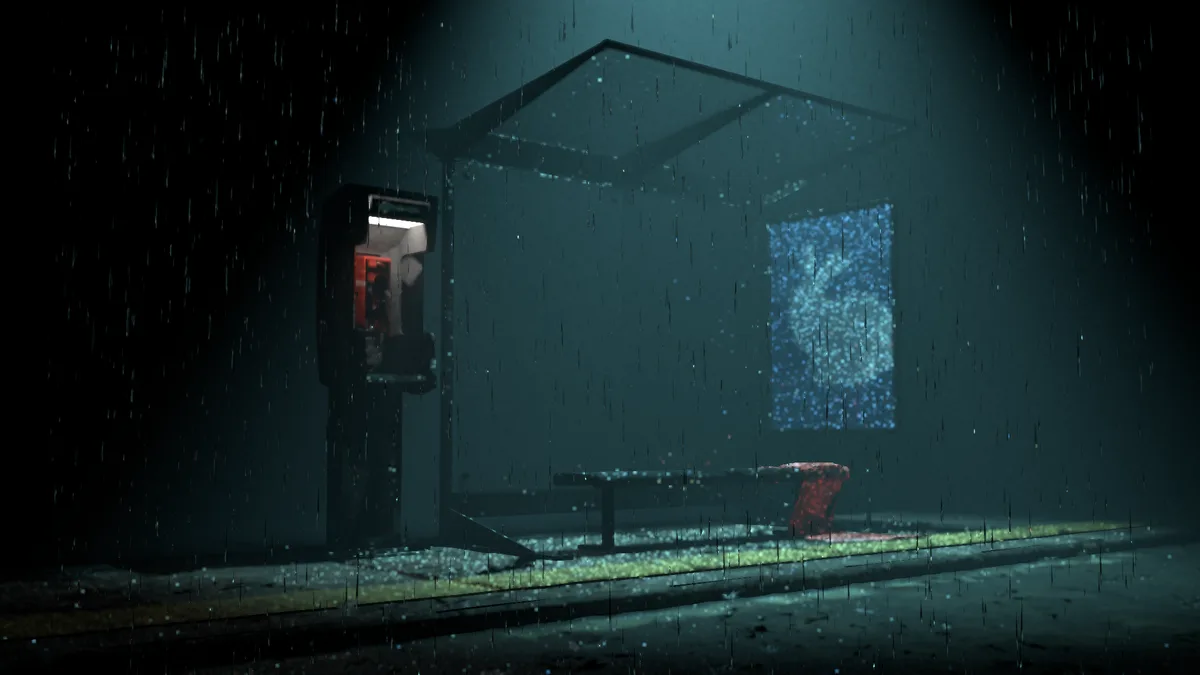
Extended the Nori renderer with heterogeneous volumetric transport, NanoVDB support, and advanced material models to create The Last Stop, an animated rainy-night scene. Validated selected features against PBRT v4 and Mitsuba 3 using matched scenes and image-space error analysis.
Volumes & Lighting
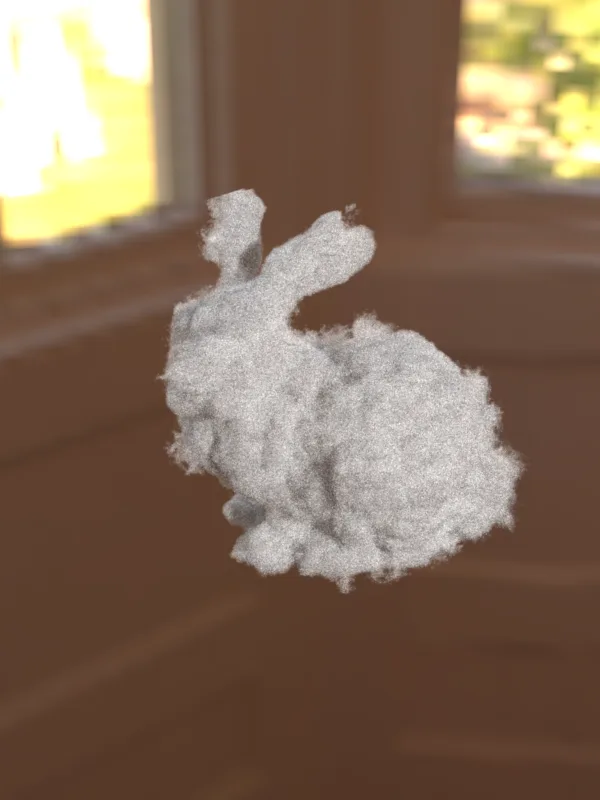
Spatially varying media and NanoVDB density grids support clouds, fog, and visible light shafts under HDR environment and spot lighting. An experimental equiangular MIS branch targets single-scattering direct lighting from compact sources; it is a specialized estimator alongside the general multiple-scattering path tracer.
Materials
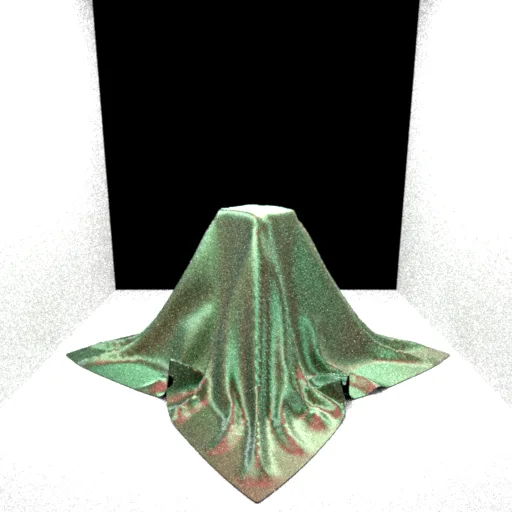
Implemented Disney BRDF controls, rough dielectric reflection and transmission, and a cloth BSDF based on Sadeghi et al.'s microcylinder model. The cloth combines two yarn systems with surface reflection, volume scattering, and self-shadowing. The final draped mesh was created using Blender's cloth simulation.
Normal Mapping
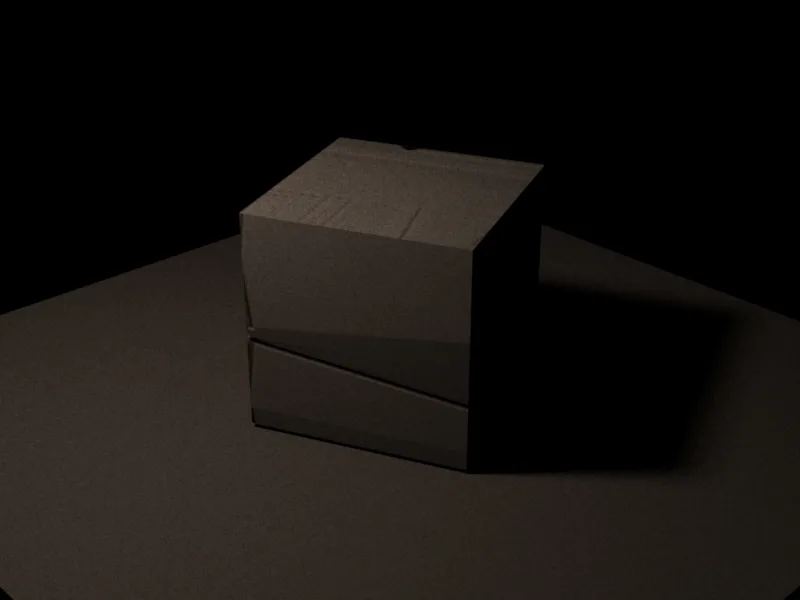
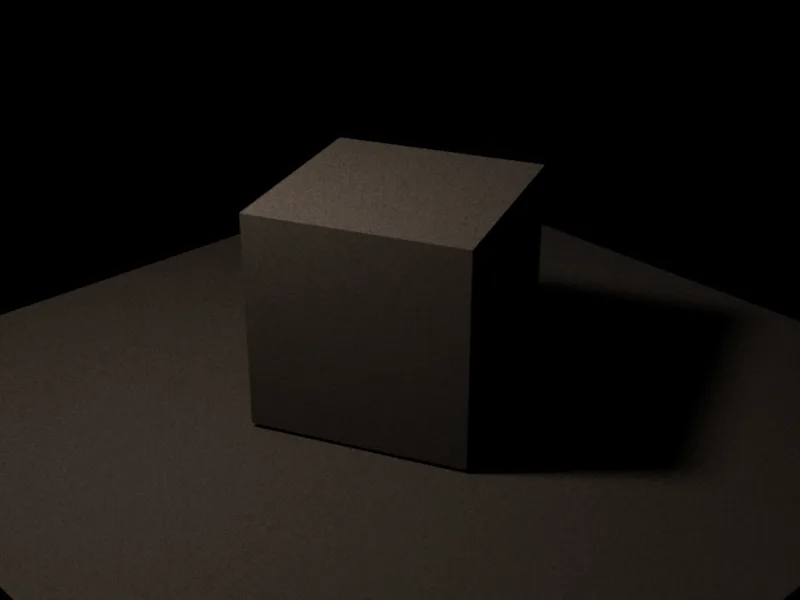
Tangent-space normal mapping adds shading detail to a flat cube without changing its geometry or silhouette. Compare the same gray material with the normal map disabled and enabled.
Texture Mapping
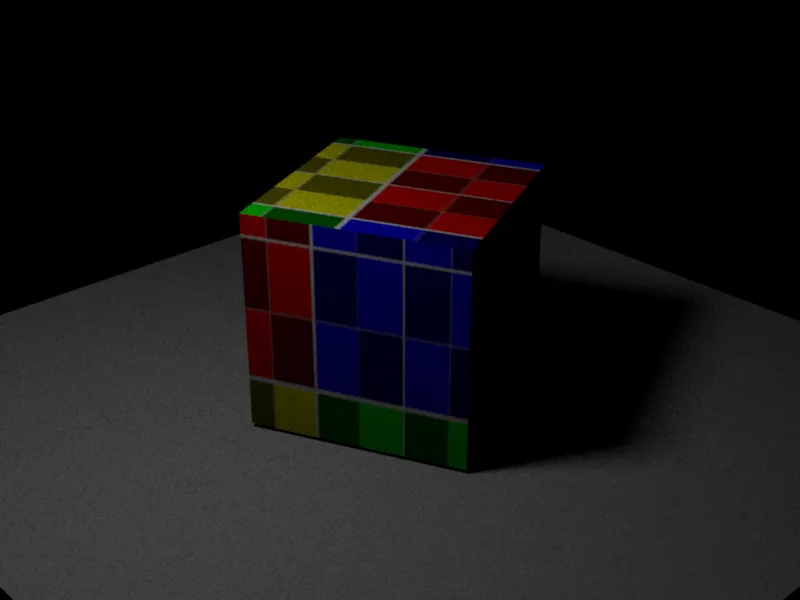
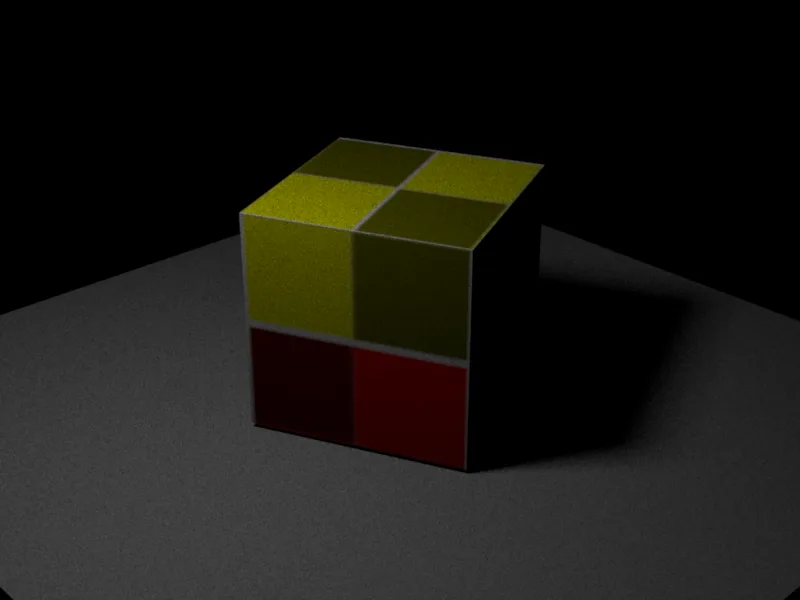
Image textures are sampled through mesh UV coordinates with bilinear interpolation. Compare the original UV layout with scaled UVs to see how texture repetition changes across the same cube.
Thin Lens & Focus
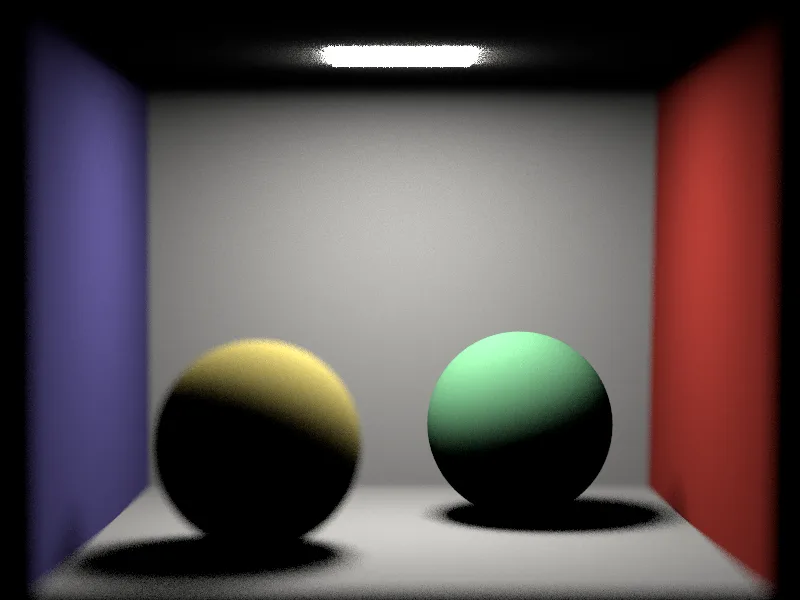
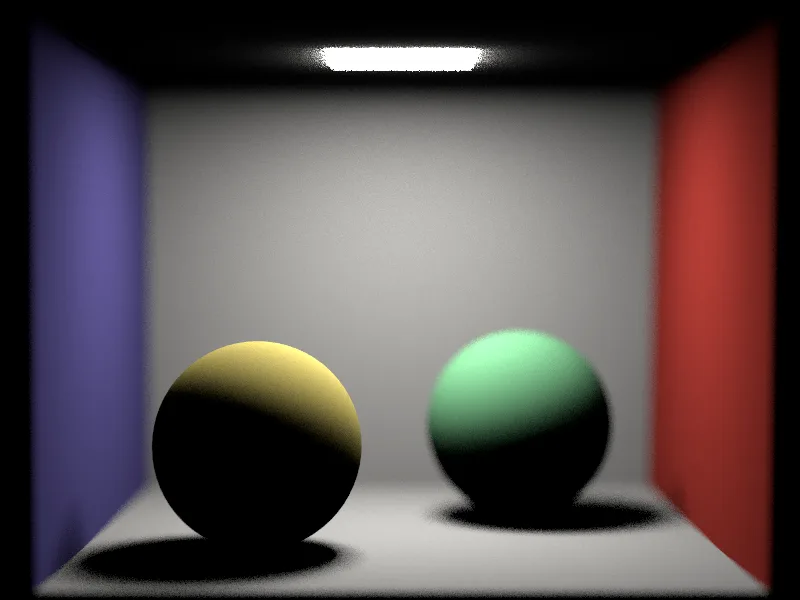
A thin-lens camera changes which depth remains sharp. Both renders use a lens radius of 0.15 and 64 samples per pixel; only the focal distance changes. The final scene also uses depth of field to soften nearby raindrops.
Validation
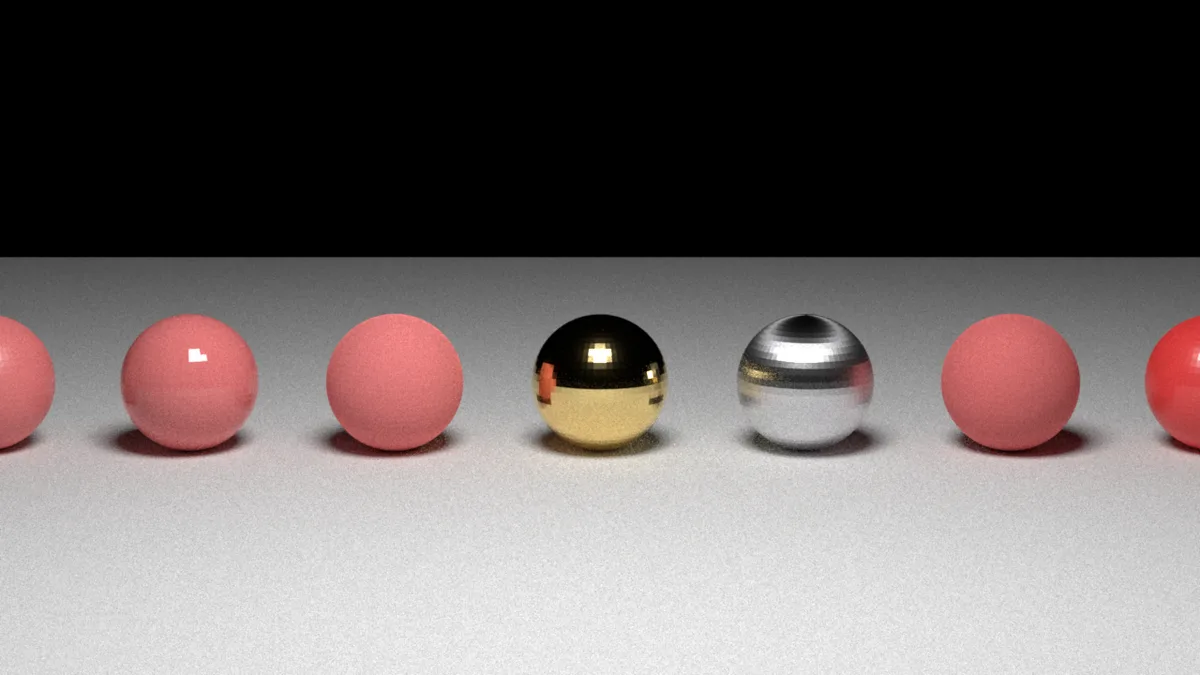
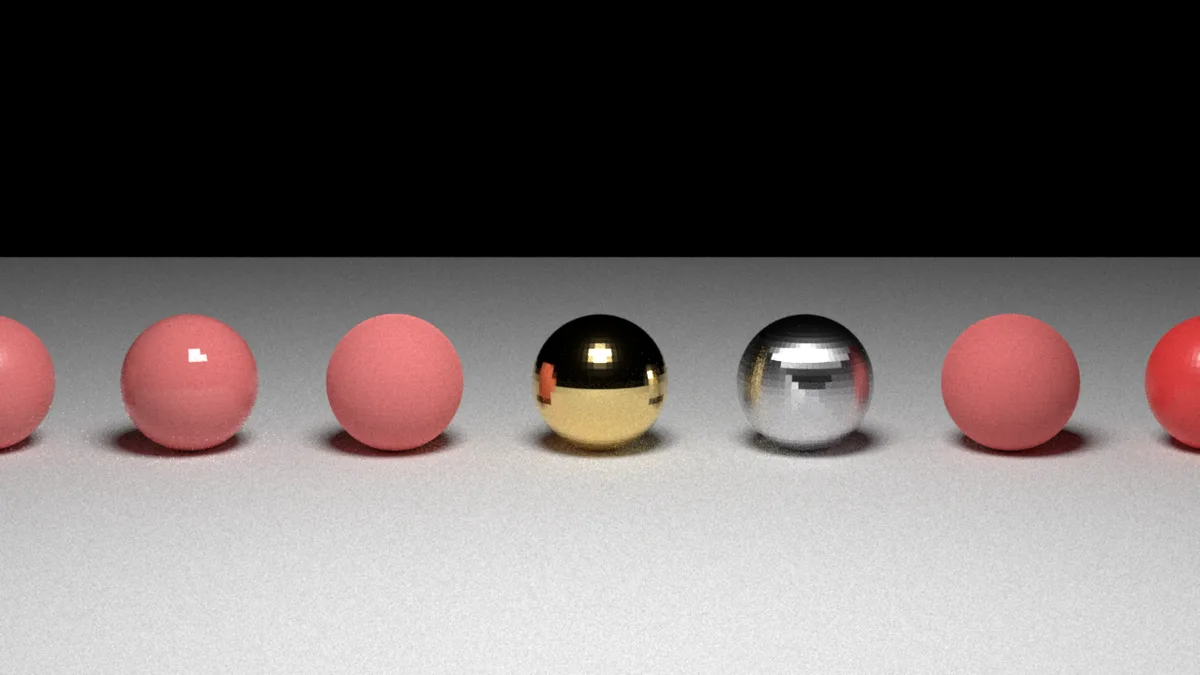
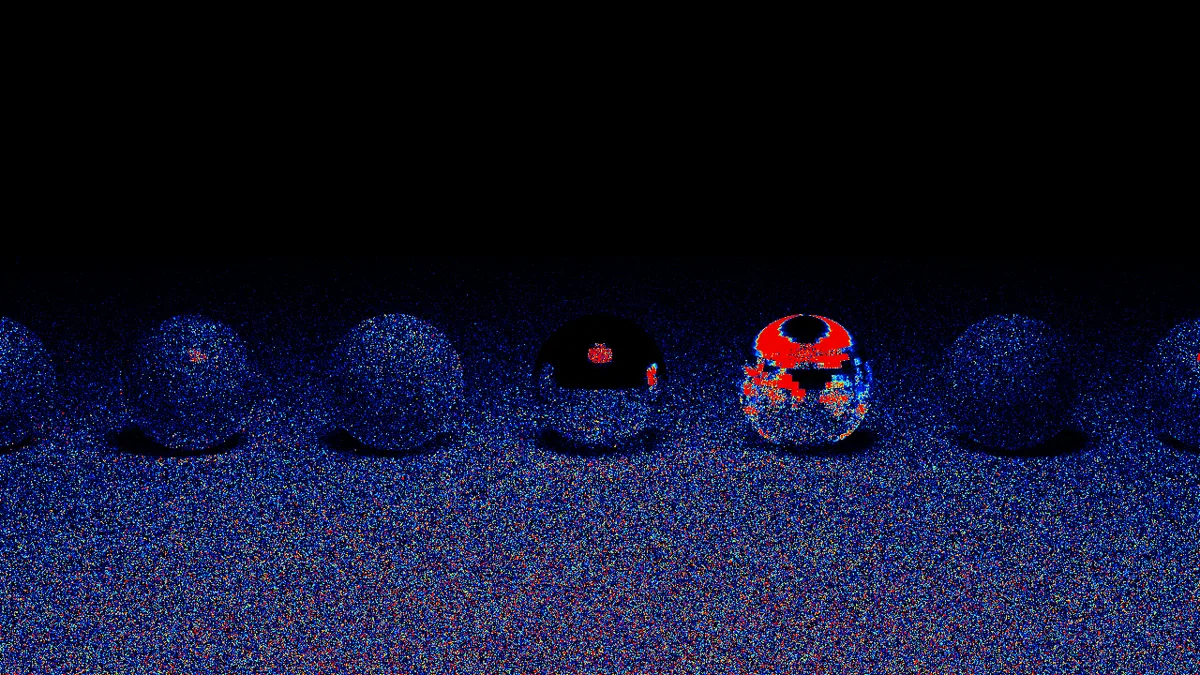
Compared selected features against matched PBRT v4 and Mitsuba 3 scenes using linear EXR error measurements. This Disney material comparison uses 256 samples per pixel; the reported global MSE is 1.72e-3. The anisotropic sphere differs because Nori and Mitsuba attach their tangent axes differently. These compressed previews illustrate the comparison; the metric was computed from the original EXRs.